By Kemi Olatunde
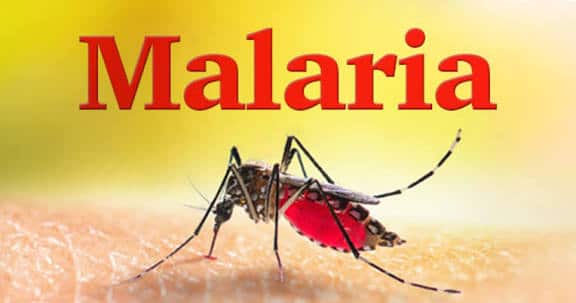
Malaria is a disease caused by a parasite. Anopheles mosquitoes are the type that transmit malaria from one person to another. Not all Anopheles mosquitoes carry malaria, but if they bite an infected person, they can become carriers. Once they bite another person, the cycle of transmission continues.
Infants, children under five years of age, pregnant women, travelers, and people living with HIV or AIDS are at higher risk of severe infection.
Malaria can be prevented by avoiding mosquito bites and with the use of appropriate medications.
According to the World Health Organization (WHO), an estimated 2.2 billion malaria cases and 12.7 million deaths have been averted globally since 2000. However, malaria remains a serious public health threat—especially in the WHO African Region.
WHO’s latest World Malaria Report estimates 263 million cases and 597,000 malaria-related deaths worldwide in 2023—an increase of 11 million cases compared to 2022. Nearly 95% of these deaths occurred in the WHO African Region, where many people still lack access to essential prevention, diagnosis, and treatment services.
More than half of these deaths occurred in just four countries:Nigeria (30.9%); Democratic Republic of the Congo (11.3%); Niger (5.9%); United Republic of Tanzania (4.3%).
Children under five years old accounted for about 76% of all malaria deaths in the region.
Ondo State Government’s Response
The Ondo State Government is leaving no stone unturned in its efforts to reduce malaria cases. One of its latest initiatives is the ongoing distribution of 3.6 million Long-Lasting Insecticide-Treated Nets (LLINs) to households across the state.
The distribution, conducted in partnership with Malaria Consortium, was officially flagged off by the State Governor, Hon. Lucky Orimisan Aiyedatiwa, on Monday in Akure.
Represented by the Secretary to the State Government, Dr. Taiwo Fasoranti, the Governor emphasized that malaria remains one of the greatest health threats in the state. He noted that it contributes significantly to illness and death, especially among children under five and pregnant women.
According to the Governor, the malaria prevalence rate in Ondo is currently 27%, and his administration is committed to reducing this figure to single digits.
He stated that the distribution of LLINs would offer households effective protection and significantly reduce malaria prevalence—if properly used.
He added that his government is committed to improving the quality of life for all citizens through various health-focused initiatives under the “OUR EASE” agenda. These include: Revitalization of over 100 primary healthcare facilities; upgrading of secondary health facilities; strengthening maternal and child health programs through the Abiyamo Scheme; expansion of the State Contributory Health Insurance Scheme to include the informal sector and special groups like Sickle Cell Champions; provision of financial protection for households; acquisition of ambulances to improve emergency medical services; commissioning of a new pharma-grade Central Medical Store for efficient drug logistics; support for malaria prevention programs, including free testing and medicines in hospitals.
The Governor expressed gratitude to key partners such as the Federal Ministry of Health, National Malaria Elimination Programme, Global Fund, World Bank, Institute of Human Virology Nigeria, and Malaria Consortium for their continuous support.
Partners and Stakeholders Speak
In his welcome address, Commissioner for Health, Dr. Banji Awolowo Ajaka, emphasized the need for proper usage of the distributed nets to reduce malaria-related deaths.
Mr. David Oyeleke, representing the National Coordinator, National Malaria Elimination Programme, described the distribution campaign as a vital step in the government’s commitment to protecting all Nigerians—especially the most vulnerable—against the devastating effects of malaria.
He highlighted that since Nigeria’s first ITN mass campaign in 2009, over 500 million insecticide-treated nets (ITNs) have been distributed across the country.
He praised Ondo State’s determination to adopt innovative strategies to enhance both the efficiency and effectiveness of ITN distribution and use.
Commendations and Commitments
Dr. Samuel Akingbesote, Project Director at IMPACT Malaria (Institute of Human Virology Nigeria), congratulated the state government and Malaria Consortium for investing in what he called “human and social capital”.
Dr. Habibu Yahaha, State Coordinator of WHO, remarked that the distribution supports the preventive aspect of malaria control.
Israel Adedotun, representative of MSI Nigeria Reproductive Choices, described the initiative as a vital step in reducing the malaria burden, particularly among women and children. He praised the state government’s commitment and assured of his organisation’s continued collaboration with the government and other stakeholders to improve public health.
Other notable attendees included: Dr. Abiodun Oyeneyin, Director-General, Ondo State Contributory Health Commission; Dr. Victor Ategbole, Chairman, Ondo State Hospitals’ Management Board; Dr. Dolani Gbelela, Representative of the Special Adviser to the Governor on Health; Dr. Niran Ikuomola, Permanent Secretary, Ministry of Health; Dr. Ayodele Adiji, Permanent Secretary, Hospitals’ Management Board.
Media Orientation and Awareness
Speaking at a media orientation event organised by the Ministry of Health, Commissioner Dr. Ajaka reiterated that proper use of the nets would reduce malaria cases and out-of-pocket expenses for treatment. He described malaria as a life-threatening disease that remains the leading cause of absenteeism from school, work, farms, and markets.
He called on all residents to sleep under the ITNs every night to stay protected.
Malaria Burden and Economic Impact
Dr. Waheed Folayan, State Malaria Program Officer, emphasized that malaria is still a major public health issue in Nigeria.
According to him, Nigeria is responsible for 25% of global malaria cases. The country accounts for 30% of global malaria deaths; 60% of people who visit health facilities present with malaria; 30% of under-five child deaths and over 10% of maternal deaths are due to malaria. Nigeria loses approximately ₦148 billion annually to malaria control and treatment. Families spend about 25% of their income on malaria treatment. He added that Ondo State loses ₦12 billion annually in the fight against malaria.
Folayan stressed the importance of environmental management and consistent use of ITNs. He explained that around 6,000 personnel have been mobilized to ensure effective house-to-house distribution.
He noted that digital devices are being used to track and monitor distribution, which began on September 8 and will end on September 17.
About the Author